DBNC is here to serve the community
DBNC was founded in 1988 by concerned members of the community to enhance the quality of life of residents in the area.
Located in the Burnhamthorpe Library building, DBNC has been an institution in the Peel region for our timely and responsive service delivery to newcomers, families, youth, children, seniors, and job seekers. All our programs are free of charge and strive to meet the needs of the community.
Today we have 35+ years of stories to share and many more in the making.
Mission
To enhance quality of life with impactful services and engaging programs that build stronger and progressive communities.
Vision
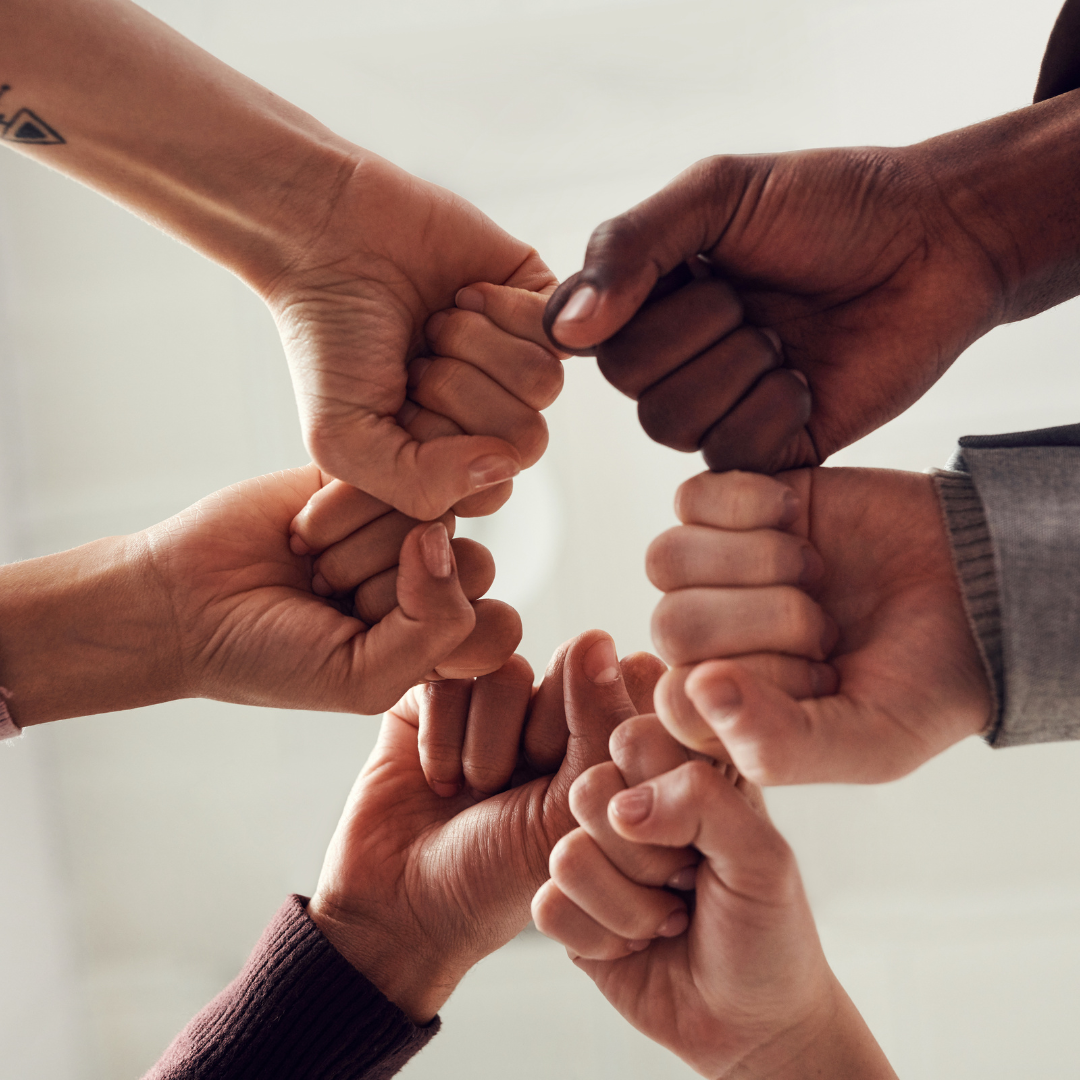
To build a stronger, progressive community.
DEI Statement
We are committed to upholding and advancing the principles of Inclusion, Diversity, Equity, Accessibility, and Learning (IDEAL) across all levels of our organization. We strive to create an environment where every individual feels seen, heard, and valued, embracing the richness of diverse perspectives, experiences, and cultures.
We ensure accessibility by fostering equitable opportunities for participation and removing barriers; physical, systemic, and bias based, that may hinder engagement. Through intentional learning, we make sure our team and community grow, challenge biases, and deepen mutual understanding.
We dedicate ourselves to creating Brave and inclusive spaces where all voices can be shared respectfully, encouraging open dialogue, continuous growth, and collaborative problem solving. By championing these principles, we aim to build a more equitable and compassionate future for everyone connected to DBNC.



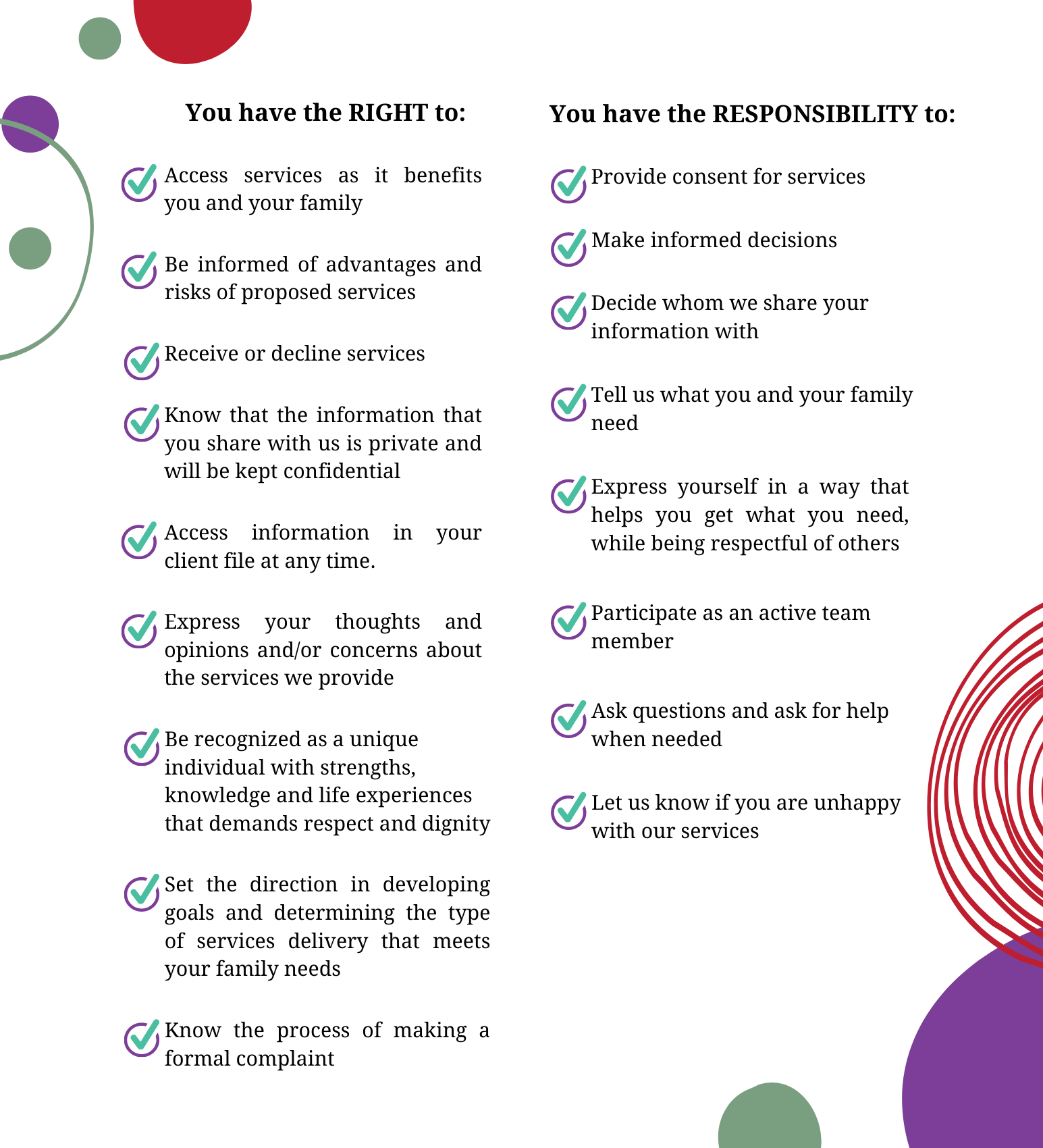
Your Rights and Responsibilities
Land Awareness
We acknowledge that the land on which we work, live, and gather today is part of the traditional, ancestral, and unceded territories of Indigenous Peoples. At DBNC, we recognize that Indigenous communities are not solely part of the past—they are present, resilient, and deeply rooted in this land.
We acknowledge that Indigenous Peoples’ rights—economic, social, cultural, political, and civil—are intrinsically connected to their relationship with land, waters, and territories. Unlike settler frameworks, which often reduce land to ownership or resource extraction, Indigenous worldviews understand land as life—deeply tied to identity, self-determination, spirituality, language, culture, and collective responsibility.
At DBNC, we strive to uphold our values of inclusivity, equity, and accountability in both word and action. We commit to ongoing learning, to standing against systems that have dispossessed Indigenous Peoples of their lands and voices, and to working in solidarity toward truth, justice, and reconciliation.
We also extend our acknowledgment and commitment to those who came to this land through force or hardship, and to all communities that continue to resist systemic oppression. In the spirit of community-building and shared leadership, we recognize our collective responsibility in fostering a just, inclusive, and equitable future for all.